Skip to content
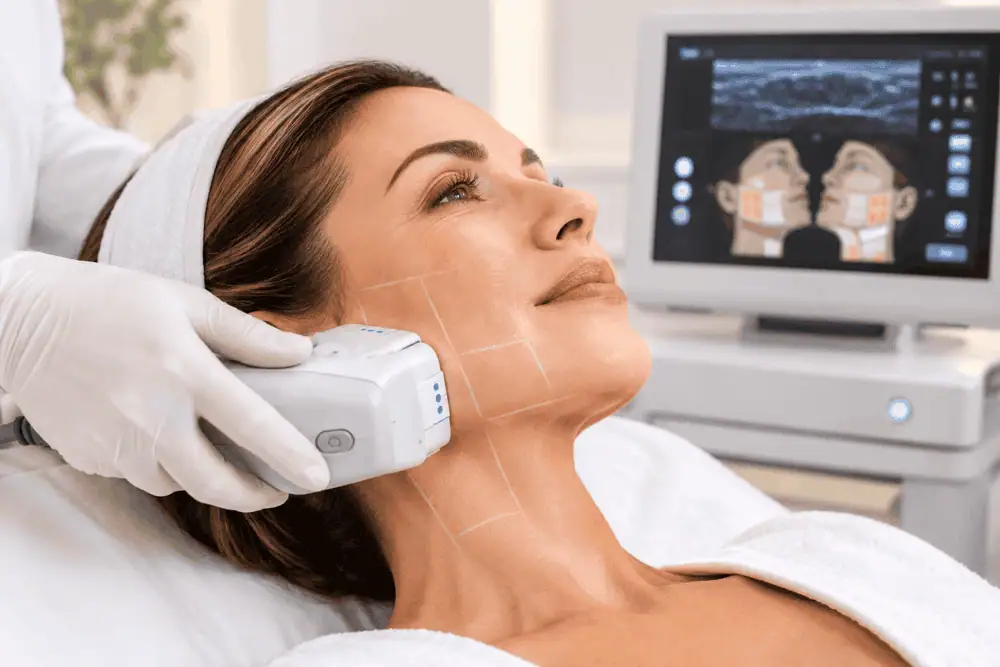
Table of Contents
Skin changes do not always begin with noticeable wrinkles. Sometimes, the first signs are a softer jawline, slightly lowered eyebrows, or skin that no longer feels as firm. For people considering Ultherapy in Brooklyn, NY, understanding what the treatment can realistically improve is an important starting point. Ultherapy uses focused ultrasound energy to encourage collagen production beneath the skin without surgical incisions.
Why Do Ultherapy Results Vary From Person to Person?
Ultherapy results vary because each person’s skin responds differently to ultrasound energy and collagen stimulation. Factors such as skin thickness, existing collagen levels, degree of skin laxity, age, and individual healing responses can influence the extent of visible improvement.
How Does Ultherapy Work Beneath the Skin?
Ultherapy is an ultrasound skin-lifting treatment that reaches below the surface to target specific layers of tissue. The focused energy warms tiny points at set depths, and the body responds by starting its own repair process, which includes building new collagen over time. Ultherapy collagen stimulation happens gradually as the body produces and reorganizes collagen fibers. This process, called collagen remodeling, may improve skin firmness and elasticity over several months.
What sets Ultherapy apart is the real-time ultrasound imaging built into the device. Providers can actually see the tissue layers under the skin and choose the right depth before delivering any energy. Since no two faces share the same anatomy or skin thickness, this view lets them place treatment based on what’s underneath, not just what shows on the surface.
What Skin Concerns Can Ultherapy Address?
Ultherapy is generally suited to mild or moderate skin laxity rather than substantial sagging.
Common treatment concerns include:
- Lowered eyebrows: May benefit from subtle lifting that creates a more open-looking upper face.
- Loose skin beneath the chin: Can improve gradually as collagen develops.
- Mild neck laxity: May respond to treatment targeting deeper supporting tissues.
- Décolletage wrinkles: Treatment may soften the appearance of certain chest lines.
An Ultherapy treatment for sagging skin is not equivalent to a surgical facelift. Patients with considerable excess skin may require another approach.
Who Makes a Good Candidate for Ultherapy?
People noticing early loss of facial definition may be appropriate candidates for this skin laxity treatment. Skin condition, medical history, treatment expectations, and the degree of laxity all influence candidacy. Individuals with certain implants, active skin conditions, or other contraindications may need an alternative treatment. Age alone does not determine suitability. A consultation helps establish if the available tissue can respond meaningfully to ultrasound energy.
What Happens During Treatment and Recovery
The provider examines the treatment area, applies ultrasound gel, and positions the device against the skin. Patients may experience brief warmth, tingling, or discomfort as energy reaches deeper tissues. Sessions generally take approximately 30 to 90 minutes, depending on the areas treated. Most people resume normal activities immediately. Temporary redness, tenderness, swelling, or bruising can occur, while less common complications should be discussed beforehand. Visible improvement usually develops over two to three months, sometimes continuing afterward. Results vary, and maintenance may eventually be considered.
How Is Ultherapy Different From Other Skin-Tightening Treatments?
Unlike radiofrequency treatments, which use electrical energy to generate heat, Ultherapy uses focused ultrasound to reach selected tissue depths. Laser resurfacing primarily addresses surface concerns such as texture and pigmentation, while Ultherapy focuses on tissue lifting and firmness. For patients interested in Non-surgical skin tightening, the most appropriate technology depends on the underlying concern. Skin tightening without surgery can produce modest improvements, but it cannot reproduce surgical lifting.
PBK MedSpa Ultherapy in Brooklyn, NY
At PBK MedSpa, we offer Ultherapy as a facial rejuvenation treatment for patients concerned about early skin laxity. Our team will evaluate your skin condition, discuss your priorities, and determine if ultrasound treatment is suitable.
Our approach to Ultherapy in Brooklyn, NY emphasizes realistic expectations and individualized treatment planning.
Wondering whether Ultherapy is right for your skin? Schedule a personalized consultation to discuss your concerns, assess your skin laxity, and explore whether ultrasound skin tightening aligns with your goals.
Frequently Asked Questions
Can Ultherapy Affect Facial Fat or Make the Face Look Thinner?
Ultherapy is intended to target specific tissue depths, but unintended changes in facial volume are a potential concern that patients should discuss during consultation.
Can Ultherapy Help Someone Who Has Lost Weight Recently?
Ultherapy may improve mild skin looseness following weight loss, although significant excess skin generally requires a different approach.